
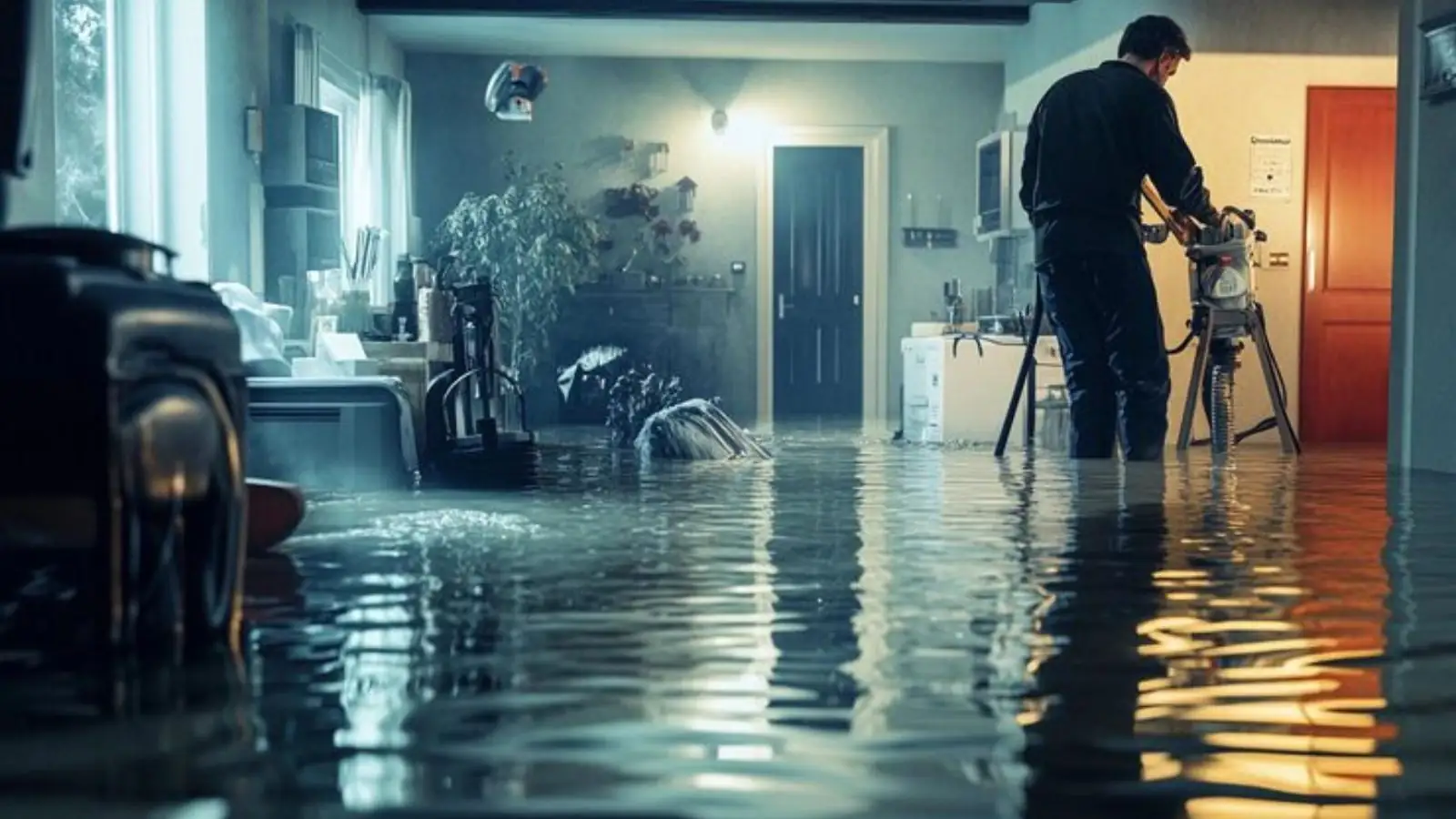
Emergency water mitigation is the work of stopping a water loss from growing in the first 24 to 72 hours. In Mission Hills, CA it means shutting off the source, finding every wet surface and setting up drying equipment fast, before drywall, framing and flooring absorb more. Call (818) 337-2642 and describe what is wet, and the 24/7 line will start the plan.
The sooner mitigation begins, the more of the home can be dried instead of torn out. A crew goes out the same day when one is available, including nights and weekends. While you wait, close the main valve if you can reach it, lift belongings off wet floors and keep power off in wet areas unless the panel is dry and safe.
My wall is wet and the carpet squishes: now what?
If your carpet squishes underfoot, a baseboard is swelling or a ceiling is dripping, you have a water loss that needs mitigation. The trade name sounds technical, but the job is simple to describe. Someone finds how far the water went, stops more from coming, and dries the structure with equipment so it does not need to be rebuilt.
People search for this as a wet wall, a soaked floor or a damp smell with no visible leak. All of them point to the same stage of the job. This page explains how it works, and the rebuild afterward is covered on the water damage repair page.
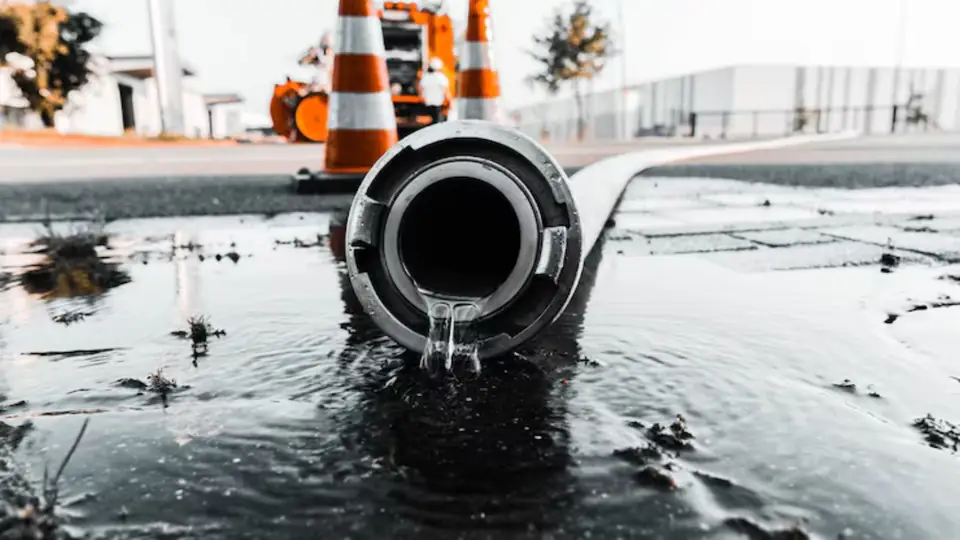
When the first 72 hours matter most
Water travels. It moves along floors, under baseboards, into wall cavities and down through ceilings to the room below. A leak that looks like one wet spot can have soaked a whole room within a day.
Hour 0 to 24
Stop the source, remove standing water and photograph the damage. Quick action here saves the most material.
Hour 24 to 48
Moisture spreads into drywall, insulation and subfloor if drying has not started. Equipment should be running.
Hour 48 to 72
Wet materials start to degrade and odors begin. Mold becomes a real concern if areas stay damp.
Beyond 72 hours
More materials may need removal, and a mold inspection becomes part of the plan.
Electrical safety while the house is wet
Water and electricity do not mix. If water reached outlets, a panel or a light fixture, stay out of the area, and call the utility or 911 for any electrical or gas risk before you call the restoration line.
How mitigation works step by step
Stop the source
Shut the valve, stop the leak, or protect the roof opening.
Find the water
Moisture meters and a thermal camera show wet areas you cannot see.
Remove standing water
Pumps and extraction units pull out what can be extracted.
Set up drying
Air movers and dehumidifiers run until readings reach dry standards.
A technician records moisture readings at the start and during drying, and compares them with the reading in an unaffected part of the home. Drying is finished when the wet materials match that dry reference, not when they feel dry to the touch. Those readings also help support an insurance claim.
Structural drying
Structural drying is the drying of walls, floors and framing, and it is the main reason mitigation takes several days. Air movers push dry air across wet surfaces, and low-grain-refrigerant (LGR) dehumidifiers pull the moisture out of the air. In stubborn cases, desiccant dehumidifiers or specialized floor-drying mats are added.
Drying a wall cavity may mean drilling small holes or removing a strip of baseboard so air can reach the inside. Equipment is checked daily and moved or removed as areas reach dry readings. Drying time depends on the materials, the amount of water and the conditions in the house, and your technician can give you an estimate after the first assessment.
| Equipment | What it does | Where it is used |
|---|---|---|
| Moisture meter | Reads moisture content in drywall, wood and subfloor | Every visit, start to finish |
| Thermal camera | Shows temperature differences that suggest hidden moisture | Assessment and spot checks |
| Air mover | Moves air across wet surfaces to speed evaporation | Floors, walls and ceilings |
| LGR dehumidifier | Removes moisture from the air in the drying zone | Closed-off drying zones |
| Extraction unit | Pulls water out of carpet and flooring | Early in the job |
Water spreading in a wall or floor?
Call the 24/7 line now. The earlier drying starts, the less has to be removed.
Mitigation for Mission Hills homes and businesses
Mission Hills mixes houses, apartments and commercial strips along Sepulveda Boulevard. Each has a different drying challenge. A single-family house may need a whole-floor drying plan, while a shop in a strip center needs a plan that works around business hours and shared walls.
Because the community is part of the City of Los Angeles, water service is supplied by the Los Angeles Department of Water and Power. If a street-side main failure sent water onto your property, as happened on Woodman Avenue in 2019, tell the dispatcher so the crew can plan for outdoor water entry. See emergency water removal if standing water is the immediate problem.
What affects the cost of mitigation
Water category
Clean, gray and black water require different protection and disposal.
Area and materials
More wet rooms and denser materials increase equipment and time.
Days of drying
Each day of equipment run time adds to the total.
Access
Tight spaces, multiple floors and hard-to-reach cavities add labor.
Sudden and accidental water loss is often covered by homeowners insurance, while slow leaks and neglect are often not, and flood damage usually needs separate flood coverage. Check your policy or ask your insurer. To hear how the scope and price would be built for your home, call (818) 337-2642 before work starts.
Water mitigation questions
Do you handle water mitigation emergencies at night or on weekends in Mission Hills?
Yes. The line is open 24/7, and a crew goes out the same day when one is available. Nights and weekends are the busiest times for burst pipes and appliance failures.
How long does drying take?
Often a few days, though it depends on the materials, the amount of water and the conditions in the home. Your technician takes readings at each visit and tells you when the structure is dry.
Why are air movers and dehumidifiers both needed?
Air movers speed evaporation from surfaces, and dehumidifiers remove the resulting moisture from the air. Without a dehumidifier, the moisture stays in the room and settles back into materials.
Can I rent the drying equipment myself?
That is not something we offer. Drying equipment has to be placed, monitored and measured, and a technician does that on every visit.