
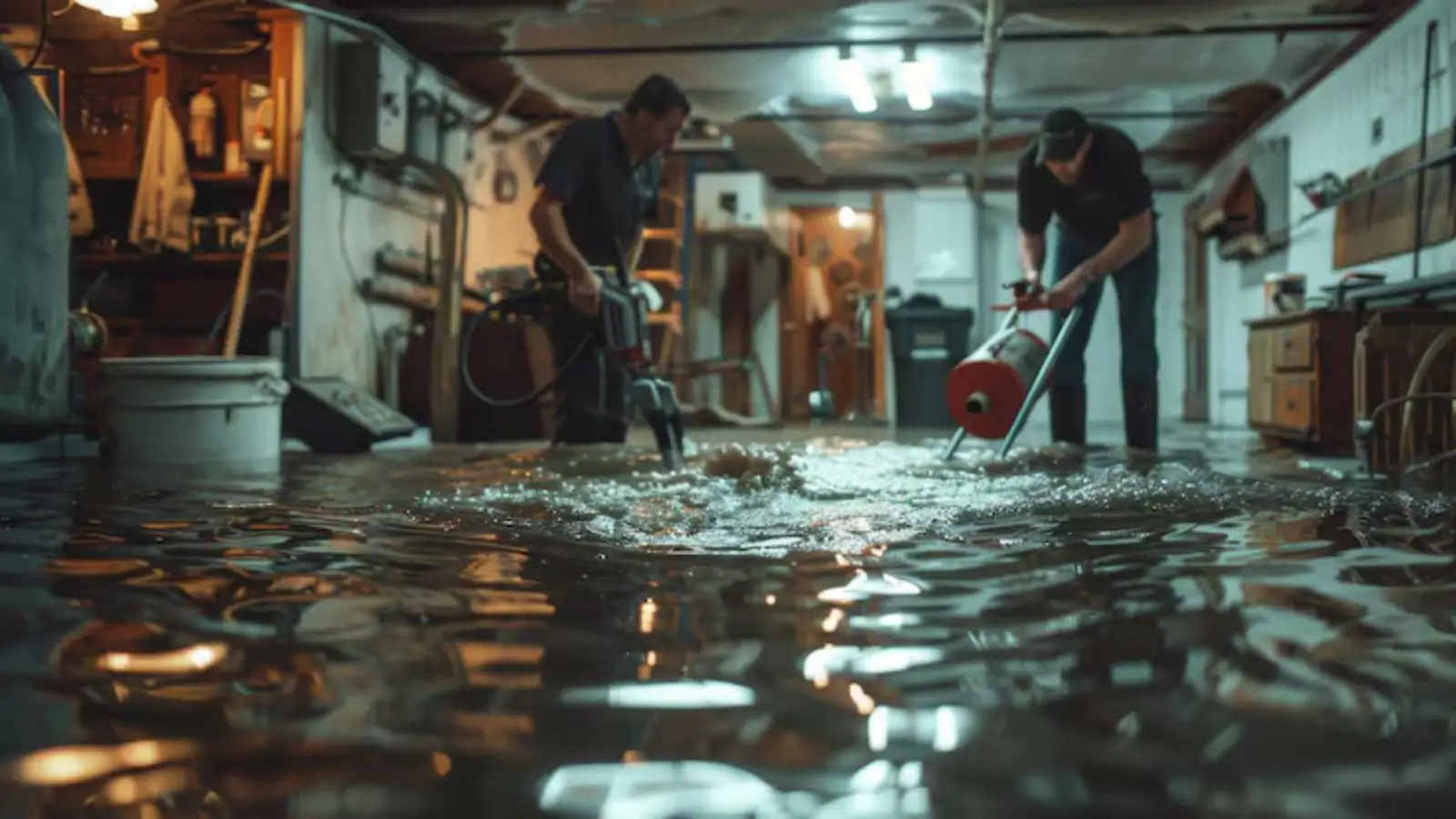
Emergency water removal is the fast extraction of standing water from floors, carpet and low rooms, and in Mission Hills it starts with one call to a 24/7 emergency line. If water is on the floor right now, stop the source if you can and call (818) 337-2642. A dispatcher will ask what is wet, where the water came from and whether it is still flowing.
While you wait, shut off the main water valve, lift valuables off the floor and keep children and pets out of any water that may be contaminated. Turn off power to wet areas only if the panel is dry and you can reach it safely. After hours, weekends and holidays are handled the same way as weekday calls, and a crew goes out the same day when one is available.
When standing water is an emergency
Not every wet floor is an emergency, but these situations are. If any of them match what you see, call right away instead of waiting for morning.
Water still running
A burst pipe, a failed fitting or a stuck valve keeps adding water every minute. Closing the main valve buys time, but the water already inside still has to come out.
More than one room wet
Water travels under baseboards and through wall cavities. A wet hallway usually means the bedroom beside it is wet as well.
Water near power
Standing water near outlets, a panel or appliances is a shock risk. Stay out of it and see the safety note below.
Sewage or odor
Water that smells like sewage may be Category 3. Do not walk through it and do not clean it up yourself.
Electrical and gas safety come first
If water has reached an electrical panel, outlets or a gas appliance, stay out of the room. Cut power only if you can reach the panel while standing on dry ground. Call the utility or 911 for any electrical or gas risk before you call the restoration line.
How the water comes out
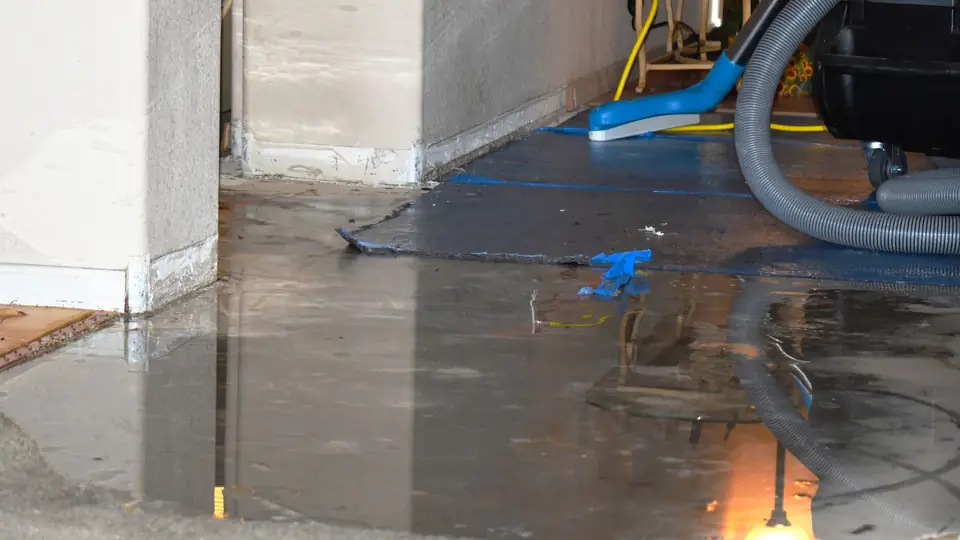
Crews carry submersible pumps for deep water and portable extraction units for carpet and flooring. Wet vacuums and weighted floor extractors pull water out of carpet and pad, and hard floors are squeegeed toward the pump. Once the surface water is gone, moisture meters and a thermal camera show what is still wet behind the walls and under the floor.
Extraction is only the first half of the job. Water that soaked into framing, drywall and subfloor will stay there unless it is dried with air movers and dehumidifiers. That second stage is covered on the water mitigation page, and your technician will plan both stages together.
| Source of water | First move for you | What removal usually involves |
|---|---|---|
| Burst supply line | Close the main valve and open a faucet to drain pressure | Extraction, then locating the leak with meters and thermal imaging |
| Washing machine hose | Shut the machine valve and unplug it if the outlet is dry | Extraction from laundry area and neighboring rooms, check under flooring |
| Water heater failure | Shut the cold supply and turn off gas or power to the heater | Pump out the garage or closet, inspect walls that share the space |
| Roof or ceiling leak | Move belongings and place buckets under drips | Extract from floors, open the ceiling if it is holding water |
| Sewage backup | Stay out and keep others out | Category 3 safety plan, see flood damage restoration |
Standing water in your home?
Call the 24/7 line now. Describe what is wet and whether it is still running.
Burst pipe water damage
A burst pipe is the classic emergency, and the first five minutes matter most. Close the main shut-off, then open the lowest faucet to drain what remains in the lines. If you cannot find the main valve, the water meter box at the curb has a shut-off too, though it may need a special key.
Pipes fail for ordinary reasons here, including corrosion, high pressure, worn fittings and a failed connection behind a fixture. The restoration crew removes the water and dries the structure, and a licensed plumber repairs the line. Tell the dispatcher if a plumber is already on the way so the two visits can be coordinated.
Crawl space and whole-house flooding
If your home sits on a raised foundation with a crawl space, water trapped there can damage subfloor and insulation without showing at the surface. A technician can check with moisture meters and, where access allows, a camera. Whole-house flooding from a main break or a heavy storm needs a larger extraction plan, and it often moves into flood damage restoration when the water came from outside.
Public main or private line in Mission Hills
Water service in Mission Hills comes from the Los Angeles Department of Water and Power. When a public main breaks, as the 72-inch Woodman Avenue trunkline did in 2019 during a rainstorm, water can reach driveways, garages and yards fast, and one family told reporters they bought sandbags when a hardware store opened. If the failure looks like it is on the street side, report it to LADWP, and ask the utility which side of the meter is responsible.
Water that came from your own plumbing or a roof is a different situation. Photograph it before anything is moved, and read your policy before deciding what to claim. Wherever the water came from, extraction should not wait on a claim decision.
What affects the cost of water removal
Water category
Clean supply-line water costs less to handle than Category 2 or 3 water.
Depth and area
Standing water across several rooms needs more pump time and more labor.
Flooring type
Hardwood and engineered floors can need special drying, while tile is simpler.
Access and hour
Tight crawl spaces, stairs and after-hours calls change the plan.
Sudden and accidental water, like a burst pipe, is often covered by homeowners insurance, while slow leaks usually are not. Check your policy or ask your insurer, and ask the crew for photos and moisture readings to attach to a claim. To hear how your price would be built before work starts, call (818) 337-2642.
The published standard behind the work
The industry reference for water loss work is ANSI/IICRC S500, the Standard for Professional Water Damage Restoration. It describes water categories, drying goals and how to document readings. Citing it here is not a claim about any certificate. It simply gives you a published benchmark to ask a company about.
Emergency water removal questions
Do you handle emergency water removal at night or on weekends in Mission Hills?
Yes. The line is open 24 hours a day, every day of the year, and a crew is sent the same day when one is available. Give the dispatcher your cross streets so the crew can plan the route.
Can wet carpet be saved?
Often, yes, if it is Category 1 water and extraction starts quickly. The pad underneath is usually removed, while the carpet itself can sometimes be dried in place or lifted and reset. Water that is contaminated changes that answer.
Who fixes the broken pipe?
A licensed plumber repairs plumbing. The restoration crew removes water and dries the structure, and the two trades work in sequence. Tell dispatch what you already know about the source.
How is this different from water mitigation?
Removal gets the standing water out, while mitigation covers shut-off, moisture mapping and structural drying. On most emergency calls the same crew does both.