
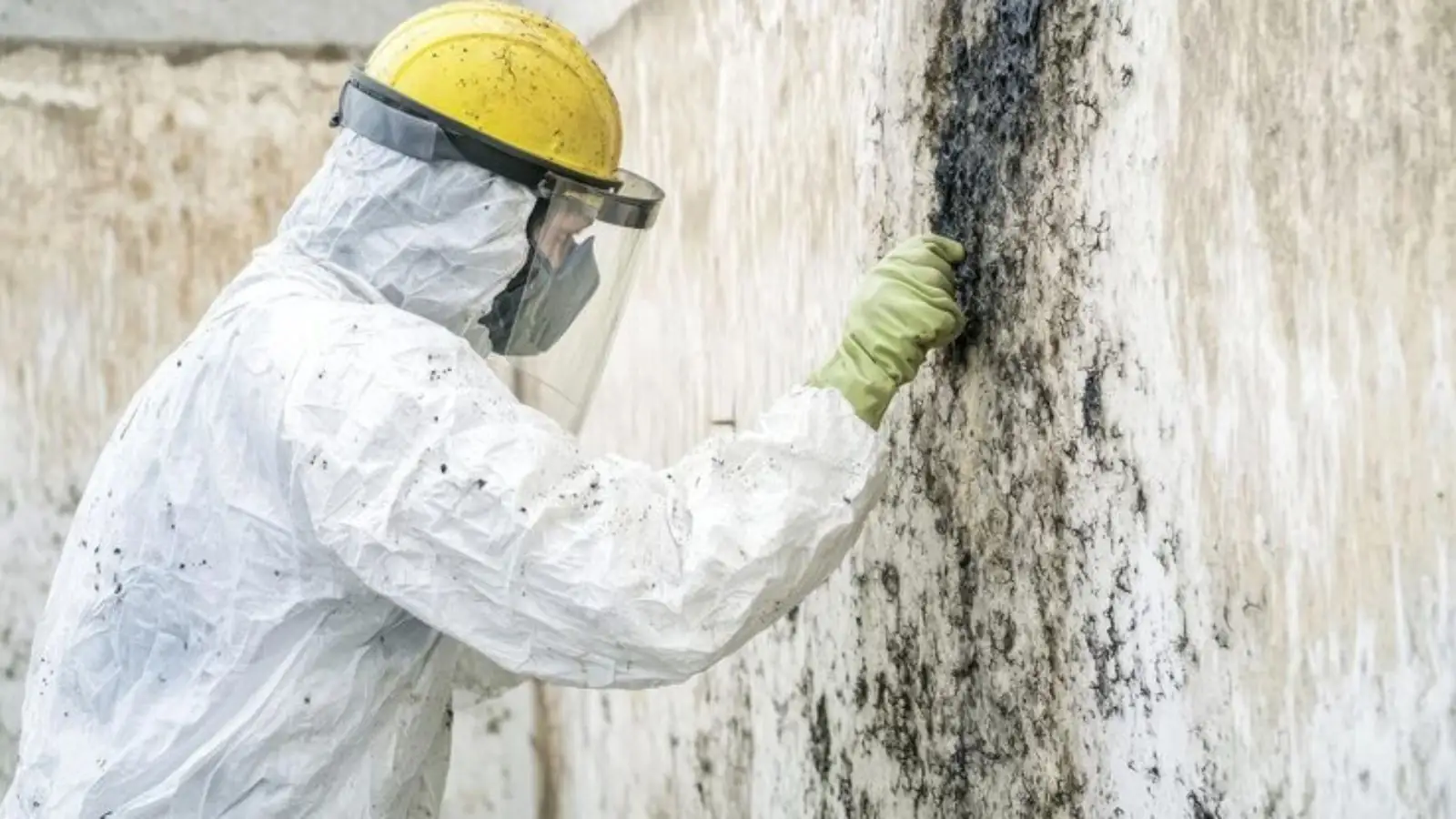
Black mold removal services in Mission Hills, CA vary a lot in what they actually do, so it helps to know what a real job includes before you call. The name black mold is common shorthand for dark-colored growth, and color alone does not tell you how serious a problem is. What matters is how much is present, what materials it is on and how much moisture is behind it.
This guide covers what a legitimate service does, what to ask before you hire anyone and what red flags to avoid. It also explains where testing and clearance fit, because many callers ask about them first. Nothing here is health advice, and questions about health belong to your physician.
What a real mold removal job includes
Inspect
Moisture meters, a thermal camera and a visual check find the source and extent.
Contain
Plastic barriers and negative air machines keep spores from spreading.
Remove
Moldy porous materials are bagged out and hard surfaces cleaned.
Dry and verify
The area is dried and checked before rebuild begins.
The industry reference is the ANSI/IICRC S520 standard for mold remediation. You can ask any company whether its crews work to it. A good company will explain the plan in plain words and tell you what is not included.
Questions to ask before you hire
- How will you find and confirm the moisture source?
- Will you set up containment and negative air, and what does that look like?
- Which materials will you remove and which will you clean?
- How will you check that the work is complete?
- Is clearance testing done by a separate party?
- What is not included, such as rebuild and repairs?
EPA guidance suggests making sure a contractor has experience with mold cleanup and checking references. Ask for the scope and the price structure in writing before work starts. Ask whether your state licenses mold work, and request the license information in writing if so.
| Red flag | Why it matters |
|---|---|
| Quote with no inspection | Scope cannot be known without finding the moisture |
| Promise that mold will never return | No one controls your moisture after the job |
| Spraying a product and leaving | Surface treatment does not remove growth in porous materials |
| No containment on a larger job | Work can spread spores to clean rooms |
| Pressure to sign immediately | A real job can be explained without pressure |
Want the scope explained first?
Call the line. A technician can explain inspection, containment and scope before any work starts.
Testing and independent clearance
Testing can include air or surface samples. It is not always needed, but it helps when growth is hidden or documentation is required. Independent clearance means a separate party checks the area afterward, so the company that removed the mold is not grading its own work.
In a home sale, a lender or buyer may ask for proof of removal. Ask them what documentation they will accept before you order anything. We cannot promise what a lender will approve.
What affects cost
Cost depends on the affected area, the materials involved, the containment level, testing and the rebuild. A small bathroom patch and a wall cavity after a leak are very different. For the full picture, see the mold remediation page, and for rebuild after removal, see water damage repair.
How to compare two quotes fairly
A cheaper quote is not always the better deal, and a higher one is not always the thorough one. Put the quotes side by side and compare what each includes, not just the total. Look at containment, negative air, the amount of material removed, drying days, testing and whether rebuild is part of it.
If two quotes cover different scopes, ask both companies to explain the difference. A vague scope usually means surprise charges later. Ask each company to describe the first day of work, because specifics reveal how well they have planned.
A typical scenario: bathroom ceiling after an upstairs leak
A toilet leak upstairs soaks the ceiling of a lower bathroom, and a few weeks later dark spots appear. A technician inspects with a moisture meter and a camera, finds wet insulation and drywall and sets up containment. The wet board and insulation are cut out and bagged, the framing is cleaned and dried and the area is checked before rebuild.
In this example the plumber fixes the leak first, and the remediation follows. The rebuild comes after that, with new drywall, paint and fixtures. Each stage is separate, and a good company will explain which is which so you can compare quotes properly.
What a clearance check should tell you
After the work is finished, ask how the company confirms the job is complete. At minimum, expect a visual inspection and moisture readings that show the materials are dry again. Some jobs add testing by a separate party, which avoids having the same company grade its own work.
Ask for the readings in writing and keep them with your photos. If you plan to sell or rent the home later, those records answer questions before they are asked.
Be cautious with any company that promises to remove all mold forever. Mold spores exist in normal indoor air, so the realistic goal is to remove active growth, fix the moisture and bring levels back to what is normal for the home.
Also be careful with anyone who pushes testing before explaining the source. A test can show that spores are present, but it cannot tell you why they are there. The inspection of moisture is what points to the fix, and it should come first in the conversation. Keep a short written note of what you saw and when, since details fade fast and they help whoever visits next.
Local note: mold services in Mission Hills
Mission Hills is covered by the City of Los Angeles for permits, and the Los Angeles Department of Building and Safety handles building rules. Ask the department whether your planned rebuild needs a permit, since rules vary by work.
California has a Contractors State License Board, and you can ask any contractor about licensing. Check with the state agency on whether mold work requires a specific license before you sign. Our own site does not list license numbers, so verify any provider you hire independently.
Source type: City department guidance, state agency guidance
Black mold removal service questions
Is black mold more dangerous than other mold?
Color does not tell you that. Health questions belong to your physician, and remediation steps are the same regardless of color.
How long does a mold removal job take?
It depends on the area, the materials and the drying needed. A technician can estimate after inspection.
Do mold services in Mission Hills include repairs?
Removal and rebuild are separate stages. Ask whether rebuild is included or quoted separately.
Nearby neighborhoods have the same needs, and the Panorama City page and the San Fernando page cover how each area handles permits and utilities.